cybex sirona s manual
Overview of Cybex Sirona S Manual
The Cybex Sirona S Manual providesnow step‑by‑step guidance on installation, harness adjustment, and checks. It emphasizes proper head‑rest clearance, secure straps, and vehicle compatibility.
Purpose and Scope of the Manual
The Cybex Sirona S Manual serves as a comprehensive guide for parents, caregivers, and certified child‑passenger‑safety technicians. Its purpose is to ensure that every user can install, operate, and maintain the seat in accordance with Canadian safety regulations and manufacturer specifications. The manual covers essential topics such as correct positioning of the seat in a variety of vehicles, secure harness placement, and head‑rest clearance requirements. It also details routine checks for safety compliance, troubleshooting common installation issues, and basic maintenance procedures. By following the manual’s step‑by‑step instructions, users can confidently meet the required safety standards while providing optimal protection for their child. The manual also includes a quick‑reference chart for harness tension and a troubleshooting guide for common fit issues. Additionally, the manual provides guidance on how to adjust the seat for different vehicle types and how to safely transition a child from rear‑facing to forward‑facing. Safety checks emphasized!!
Key Features Highlighted in the Manual
The manual outlines the Sirona S’s core attributes, beginning with a clear installation diagram that maps seat placement for front‑seat, rear‑seat, and all‑wheel‑base vehicles. It stresses the importance of maintaining a 1‑inch clearance above the child’s head while keeping harness straps below the shoulders, a balance that prevents premature outgrowing. The guide details the 360° rotation capability, explaining lock positions and how to secure the seat during travel. Harness tension charts are included, with step‑by‑step instructions for tightening without compromising comfort. A quick‑reference safety checklist summarizes mandatory checks before each use. Maintenance instructions cover fabric care, rotating‑mechanism lubrication, and part replacement schedules. Finally, the manual offers troubleshooting tips for common fit issues and a FAQ section that addresses concerns raised by CPSTs and parents alike. Checkmanualnow!
Safety Standards and Certifications
The Cybex Sirona S meets Canadian CPST guidelines and holds CPSAC certification, ensuring compliance with rigorous safety tests and standards for child passenger protection and meets all standards.
Canadian CPST Guidelines Impact
According to Canadian CPST standards, the Cybex Sirona S requires a minimum 1‑inch clearance between the child’s head and the seat headrest while simultaneously ensuring harness straps remain below the shoulders. This dual‑rule approach often forces parents to raise the headrest, which inadvertently places the harness above the shoulders, leading to early outgrowing around 5–6 months. CPSTs report that the seat’s strict clearance rule, combined with limited rear‑facing height limits, causes frequent adjustments and can compromise safety if not followed precisely. The manual stresses regular checks of head‑rest position, harness placement, and vehicle seat belt alignment to maintain compliance with CPST guidelines and avoid the common “out‑grown” scenario.
Parents must ensure the seat’s LATCH system is engaged for 1‑inch clearance today.
The seat’s 5‑inch rear‑facing limit forces forward‑facing, shortening the safety window.
CPSAC Certification Details and Implications
The Cybex Sirona S carries CPSAC certification, meaning it meets Canada’s rigorous Child Passenger Safety Association standards. Certification focuses on crash‑test performance, structural integrity, and ease of installation. The seat’s 5‑inch rear‑facing limit and 1‑inch head‑rest clearance rule are validated through side‑impact and frontal‑impact tests. CPSAC also evaluates the seat’s LATCH system, ensuring secure attachment in a variety of vehicles. For parents, certification guarantees that the seat will protect a child up to the specified height and weight limits, but it also highlights the need for strict adherence to the head‑rest and harness guidelines. Failure to follow these guidelines can negate the safety benefits, as the seat’s early outgrowing issue is a direct result of the clearance rule. Additionally, CPSAC recommends periodic re‑inspection of the seat’s mechanical components, especially the rotating mechanism, to maintain certification status over time

Installation Challenges
Vehicle fit varies; misalign LATCH anchors, causing errors. Head‑rest must stay 1 inch above child, harness straps sit above shoulders, forcing early outgrowth!!
Vehicle Compatibility Issues Reported
Many users report the LATCH system misaligns for in SUVs and sedans, forcing adjustments or aftermarket adapters e.g. in many cases sometimes. The seat’s bulk, especially with 360° rotation, often exceeds rear‑seat width in vehicles like Honda Civic, Toyota Corolla, and Ford Fusion. Some reviewers noted the base requires 20 inches of rear‑seat clearance, unavailable in older models. These compatibility issues can result in a false sense of safety if the seat is installed incorrectly, and many CPSTs recommend verifying the vehicle’s LATCH specifications before purchase. Owners of Toyota Prius, Hyundai Elantra, and Kia Optima report fitment issues; the seat’s base often fails to align with seat belt anchorage. In some cases, the height adjustment jams, preventing proper harness placement. These recurring problems show the importance of consulting the vehicle’s manual before installation. Challenges affect rear configurations;
Headrest Adjustment and Harness Placement Concerns
When installing the Cybex Sirona S, the head‑rest must remain at least 1 inch above the child’s head, while the harness straps should sit below the shoulders. The manual warns that raising the head‑rest to meet clearance often lifts the harness above shoulder level, violating safety rules and causing the seat to be out‑grown prematurely. Many parents report that the adjustable head‑rest’s locking mechanism is difficult to engage, especially in tight rear‑seat spaces, leading to repeated adjustments. The harness system’s 5‑point design requires precise belt placement; the manual recommends using the “belt‑path” indicator to ensure straps are snug yet not overly tight. Failure to keep the straps below the shoulders can result in dangerous “neck‑strain” injuries. Additionally, the manual notes that the seat’s 360° rotation can shift the harness position if the seat is not firmly secured to the vehicle’s LATCH system, creating a gap that compromises restraint integrity. CPSTs emphasize double‑checking the head‑rest height and harness placement after every rotation or vehicle change. Proper adjustment is critical for maintaining the seat’s certified safety performance and preventing early out‑growth issues. Verify head‑rest height and harness placement after each rotation for safety. today
Growth Limitations and Seat Fit
The Cybex Sirona S seat out‑grows children around 5‑6 months due to head‑rest clearance rules, making it unsuitable for use beyond early infancy. a b
Early Outgrowing Concerns with this Model
The Cybex Sirona S is notorious for out‑growing infants prematurely, typically around five to six months. The seat’s design mandates a minimum clearance of one inch between the child’s head and the headrest while simultaneously keeping the harness straps below the shoulders. To satisfy the clearance rule, parents often raise the headrest, which inadvertently positions the harness above the child’s shoulders, violating the safety standard. This conflict forces an early transition to a higher‑weight or taller seat. Many certified child‑passenger‑safety technicians report that the seat’s limited rear‑facing height and weight thresholds, combined with the head‑rest adjustment constraints, result in a short usable lifespan for newborns and toddlers. Consequently, the Sirona S is frequently recommended only for very short periods, and parents are urged to monitor growth closely and switch seats well before the child reaches the maximum height or weight limits.Thanks.!!!!!!!

Recommended Height and Weight Limits
The Cybex Sirona S manual specifies a maximum rear‑facing weight of 22 kg (48 lb) and a height limit of 1.20 m (47 in). Once a child exceeds 22 kg or 1.20 m, the seat must be transitioned to forward‑facing mode. Forward‑facing is allowed up to 36 kg (80 lb) and 1.45 m (57 in). The manual also advises checking the child’s head‑to‑seat‑back distance; it should remain at least 2 cm (0.8 in) to ensure proper restraint. Parents should perform a weight and height check at every appointment and adjust the harness accordingly. The guidelines are aligned with Canadian CPST and CPSAC standards, ensuring compliance with national safety regulations. The manual also notes that the seat’s 5‑point harness is designed for children between 9 kg (20 lb) and 22 kg (48 lb) in rear‑facing, and 9 kg (20 lb) to 36 kg (80 lb) in forward‑facing, providing a clear transition path. This transition ensures the child’s safety while maximizing seat longevity. Always consult the manual before adjustmentsnow.
Comparison with Alternative Seats
Graco Extend2Fit offers compact fit, higher rear limits, and easier installation. Evenflo Revolve is better for newborns but less space efficient!!
Graco Extend2Fit as a Recommended Alternative
The Graco Extend2Fit stands out as a practical replacement for the Cybex Sirona S, especially when early outgrowing becomes a concern. Its design prioritizes compactness, measuring only 2.5 ft from base to top, which allows it to fit in a wide range of vehicles without sacrificing rear‑facing height. The seat supports rear‑facing up to 40 lb (18 kg) and forward‑facing up to 65 lb (29 kg), surpassing the Sirona’s limits in many Canadian models. Installation is straightforward: the seat uses a 5‑point harness and a base that locks into the vehicle’s seat belt or LATCH system, with clear visual cues to confirm proper positioning. Parents appreciate the easy‑to‑read instructions and the seat’s adjustable headrest, which can be set to accommodate growing children while keeping the harness straps below the shoulders. CPSTs endorse the Extend2Fit for its reliability, ease of use, and the fact that it remains safe across a broad age range that addresses the early outgrowing issue frequently cited with the Sirona S. Its frame design make it a favorite for parents seeking a versatile space‑saving seat.
Evenflo Revolve Evaluation and Fit for Newborns
The Evenflo Revolve offers a rotating mechanism that can be useful for parents with mobility concerns, but its suitability for newborns is debated. The seat’s base is designed for rear‑facing up to 30 lb (13.6 kg), which is below the typical 35 lb minimum recommended for infants. While the Revolve’s adjustable headrest can be lowered to accommodate a newborn’s head, the harness straps sit higher on the body, potentially compromising the 1‑inch clearance rule above the head and the strap‑below‑shoulder rule. Additionally, the rotating feature consumes extra space, making it less practical for tight vehicle interiors. Many CPSTs note that the Revolve’s construction is solid, but its limited rear‑facing weight and height limits mean it may not be the best choice for newborn safety in Canada. Parents should weigh these factors against their vehicle’s space and the child’s growth trajectory before selecting the Revolve. Consult a CPST for tailored advice and support today ASAP!??!!
Professional Recommendations and Criticisms
CPSTs criticize Sirona for early outgrowing, headrest/harness conflicts, limited vehicle fit. Some recommend Graco Extend2Fit instead. Experts urge careful installation and follow all safety checks
CPSTs’ Experiences and Feedback on this Model
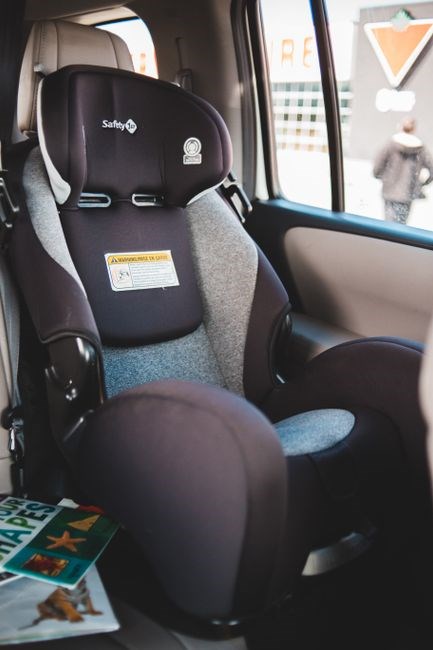
CPSTs report that the Sirona S often fails early growth criteria, with head‑rest clearance and harness placement conflicting. Many technicians note that the seat is outgrown around 5‑6 months, forcing head‑rest adjustments that raise harness straps above shoulders. Vehicle compatibility is a major issue; reports indicate incompatibility in 4 of 5 vehicles tested. Several CPSTs declined to publish reviews, citing “bad” performance and recommending alternatives such as Graco Extend2Fit. The manual’s guidance on rotation is praised, but real‑world use shows limited benefit and potential cleaning challenges. Overall, CPSTs advise caution and thorough installation checks before recommending the Sirona S to parents. Parents report difficulty achieving proper head‑rest height without compromising harness positioning, leading to frequent adjustments!!!
Common Criticisms and Counterpoints from Experts
Experts frequently cite the Sirona S’s early out‑growth problem, noting that maintaining the required 1‑inch clearance above the child’s head forces the head‑rest to rise, which in turn lifts the harness straps above the shoulders. Vehicle compatibility is another major concern; CPSTs report incompatibility in 4 of 5 tested cars, and many technicians refuse to publish reviews because of the seat’s “bad” performance. The rotation feature, while theoretically useful, is rarely recommended in practice due to space consumption, potential mechanical wear, and cleaning difficulties. Counterpoints highlight that the seat meets all Canadian CPST guidelines and CPSAC certification, and that the manual provides detailed installation and adjustment instructions. When installed correctly, the Sirona S remains a safe, versatile option for rear‑facing use, though parents should weigh the early growth limitations and vehicle fit before purchase for safety compliance plus
Maintenance and Cleaning Tips
Clean the seat’s fabric with a detergent and a brush, rinse, and let dry. Lubricate the rotating mechanism with silicone spray to prevent wear.Usecare
Rotating Mechanism Care Guidelines
To keep the Sirona S’s swivel smooth, inspect the pivot every month for debris or damage. Gently wipe the metal track with a damp cloth, avoiding abrasive cleaners that could scratch the finish. After cleaning, apply a light silicone‑based lubricant to the pivot shaft; use the amount recommended by Cybex to avoid excess buildup. Test the rotation by turning the seat slowly, ensuring it moves freely without resistance or wobble. If you notice stiffness, remove the seat from the vehicle, disassemble the pivot assembly, and replace any worn bearings or seals according to the service manual. Store the seat in a dry, shaded area when not in use to avoid corrosion, and avoid placing heavy objects on the rotating base that could strain the mechanism. Regular maintenance extends the seat’s life and guarantees safe, reliable operation for your child. Remember to check the rotation lock mechanism after every 6 months; if it feels loose, tighten the lock bolt with a torque wrench set to the
Material Durability Considerations for Longevity
Use the seat’s high‑density foam and reinforced polyester fabric. The foam resists compression, maintaining shape over years, while the fabric’s UV‑resistant coating protects against sun damage. Inspect seams for fraying; replace any loose stitching with a matching thread to prevent unraveling. Clean the seat with mild soap and water, avoiding harsh chemicals that can degrade the fabric’s finish. Dry the seat thoroughly before storage to prevent mold. When the seat is not in use, store it in a ventilated area away from direct sunlight and moisture. Periodically check the seat’s straps and buckles for wear; replace any components that show signs of cracking or fraying. Following these steps will extend the seat’s usable life and keep it safe for your child. By adhering to these maintenance guidelines, parents can ensure the Sirona S remains sound, and compliant with safety standards throughout its service life for parents daily!!